If you are starting to plan a handmade kitchen in London, the first question is almost always the same: what does it actually cost? It is a fair question, and it deserves a straight answer rather than the usual “it depends” that most kitchen companies hide behind.
A genuinely handmade, bespoke kitchen in London typically starts from around £50,000 in 2026. Most projects land between £50,000 and £120,000, with larger or more complex kitchens going beyond that. That figure covers design, cabinetry built from scratch in a British workshop, quality hardware, hand-painted finishes, and professional installation. It does not usually include appliances, stone worktops, or building works, those are separate lines on your overall renovation budget.
At Higham Furniture, we build every kitchen to order in our Denmead, Hampshire workshop and design from our studio in Fulham. We sell direct, without a high-street showroom, which means you pay for the craft and the cabinetmaker, not the retail overhead. This article explains what goes into the price of a handmade kitchen, why two kitchens of similar size can differ by £30,000 or more, and how to tell whether a quote represents real value or marketing theatre.
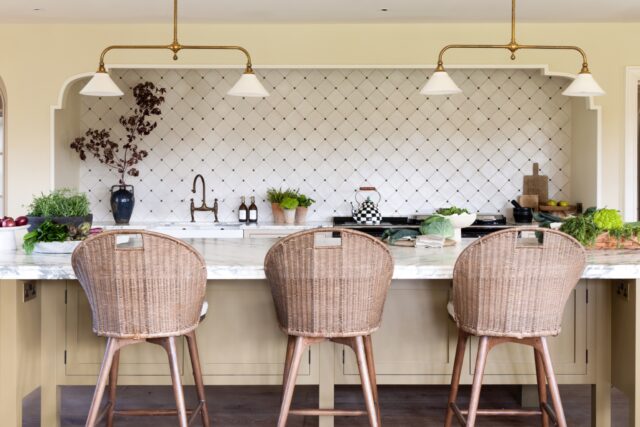
What “Handmade” Actually Costs in 2026
The phrase “handmade kitchen” is used loosely. Some brands apply it to cabinetry assembled from flat-pack carcasses with painted fronts. A truly handmade kitchen is something else: cabinets built to the exact dimensions of your room, using solid timber components, traditional joinery, and finishes applied by hand in a dedicated workshop.
For that level of work in London and the South East, a realistic 2026 budget looks roughly like this. A compact kitchen in a London flat, well made and carefully designed, tends to start around £50,000. A standard family kitchen in a Victorian or Edwardian house in areas like Fulham, Putney, or Wandsworth usually sits in the £65,000 to £95,000 range. Larger open-plan kitchens with islands, pantries, and integrated utility rooms, the kind of project common in Kensington, Chelsea, or the Home Counties, regularly reach £100,000 to £150,000 or more.
These numbers assume cabinetry, design, and installation by the maker. They do not include worktops, appliances, flooring, lighting, plumbing, electrics, or any structural work. Those items can easily add another £30,000 to £80,000 depending on choices.
Why Handmade Kitchens Cost What They Do
A bespoke kitchen is not a single product; it is several hundred hours of design, joinery, finishing, and site work combined into one installation. The cost reflects a handful of concrete inputs.
The first is design time. A good designer spends weeks understanding your space, how you cook, how you entertain, how light moves through the room, and how the kitchen will age with the house. That work is invisible in the finished article but it is the difference between a kitchen that feels inevitable and one that feels adequate.
The second is materials. Solid oak, oak-veneered plywood carcasses, dovetailed drawer boxes, soft-close hardware from Blum or similar, and hand-applied paint finishes cost meaningfully more than MDF, stapled carcasses, and spray-booth polyester. The difference compounds over twenty or thirty years of daily use.
The third is workshop labour. At our Denmead workshop, each kitchen is built by a named cabinetmaker. That relationship, knowing who made your kitchen, and being able to visit them while it is being built, is not a marketing flourish. It is the thing you are paying for.
The fourth is installation. A handmade kitchen is fitted by people who understand how it was built. Scribing cabinets into uneven walls, aligning in-frame doors, setting cornices and pilasters on site, this is skilled work, and it is priced accordingly.
The Showroom Mark-Up You Don’t See
The single biggest variable in the price of a London kitchen is not the cabinetry. It is the overhead of the company selling it to you.
A traditional high-street kitchen showroom has to pay for prime retail space, display kitchens that are replaced every few years, showroom staff, and a regional sales structure. Those costs are built into every quote. Industry estimates vary, but the showroom mark-up on a bespoke kitchen can sit anywhere between 25% and 50% of the final price.
Higham Furniture operates differently. We design from a studio in Fulham and build in a workshop in Hampshire. There is no high-street showroom, no display kitchens being depreciated, no regional sales team. The money that would have paid for that infrastructure goes into the cabinetry instead, better timber, more design time, finer detailing.
This is why a Higham kitchen can deliver award-winning design and craft at a price that compares favourably with showroom brands at the same quality level. It is also why comparing quotes by headline number alone is misleading. Two kitchens at £80,000 can contain very different amounts of actual craft.
What You’re Actually Paying For: A Line-by-Line View
When you receive a detailed quote from a cabinetmaker, the cost is typically broken down across several areas. Understanding what sits inside each one helps you judge whether a price is fair.
Cabinetry is usually the largest single line. It covers the carcasses, doors, drawer boxes, internal fittings, and hardware. On a £80,000 kitchen, cabinetry typically accounts for £45,000 to £55,000.
Design and project management is sometimes itemised and sometimes folded into the cabinetry cost. Either way, you are paying for the designer’s time, the technical drawings, the specification work, and the coordination with your builder or architect. On a serious project, this is hundreds of hours.
Finishing, the hand-painted or stained surfaces that define the look of the kitchen, is often underestimated. A properly painted in-frame shaker kitchen can take a workshop painter weeks to complete. Cheaper kitchens cut this corner by using factory-sprayed fronts that look acceptable on day one and tired by year five.
Installation covers the team that fits the kitchen in your home, usually over one to two weeks. It includes scribing, levelling, aligning, and snagging. It does not include plumbing, electrics, or tiling; those are trades you will usually engage separately or through your builder.
Worktops, appliances, sinks, taps, and lighting are almost always quoted as separate items. A sensible London budget for these elements starts around £15,000 and climbs quickly with stone worktops and premium appliance brands.
How to Read a Kitchen Quote Properly
If you are comparing quotes from different makers, the headline number tells you very little. Ask to see the specification.
Look for the carcass material. Oak-veneered plywood is the premium standard; MDF is the budget option. Look at the drawer boxes, dovetailed solid timber is a craftsmanship signal; stapled melamine boxes are not. Check the paint specification: is it hand-applied in a workshop, or factory-sprayed? Look at the hinges and runners of Blumotion, Grass, or equivalent are what you want to see.
Then look at what is actually being designed. A good quote reflects a room that has been measured, drawn, and thought about. A weak quote reflects a room that has been filled with standard cabinets off a price list.
Finally, look at who is making it. A kitchen built by a named cabinetmaker in a dedicated workshop in Britain is a different proposition from one assembled from imported components. Both may be called “handmade” in marketing copy. Only one actually is.
The Award-Winning Benchmark
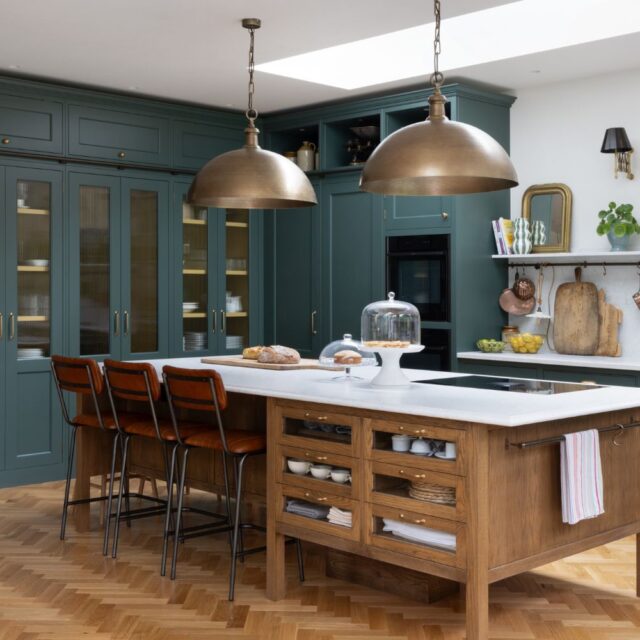
In 2025, our Putney Painted Oak Framed Shaker Kitchen won the British Design and Manufacturing Award at the Designerati Awards UK. That project is a useful benchmark for what a serious handmade kitchen at the upper end of the London market looks like: in-frame shaker construction, solid oak framing, hand-painted finish, considered proportions, and joinery executed to a standard that the judges singled out.
Kitchens at that level are not cheap. They are, however, built to last for decades and to age well. When you amortise the cost over twenty or thirty years of daily use, and factor in the cost of replacing a cheap kitchen every ten, the maths tends to look very different from the headline number.
What Higham Does Not Include in the Base Price
To be transparent about what a kitchen quote from Higham covers and what it does not.
We include cabinetry, design, hardware, hand-painted or stained finishes, and professional installation by our team. We do not include worktops (stone, timber, or composite), appliances, sinks, taps, lighting, flooring, tiling, plumbing, or electrical work. We can advise on all of these and coordinate with your builder or architect, but they are separate from our quote.
This approach keeps our pricing honest. You see exactly what you are paying us for, and you can source worktops and appliances through whichever supplier gives you the best value.
Clarity Before Commitment
The honest answer to “how much does a handmade kitchen cost in London?” is that it depends on your space, your specification, and who is making it, but not in the hand-waving way most kitchen companies mean. A thirty-minute conversation with a designer will usually tell you, within a reasonable range, what your project is likely to cost.
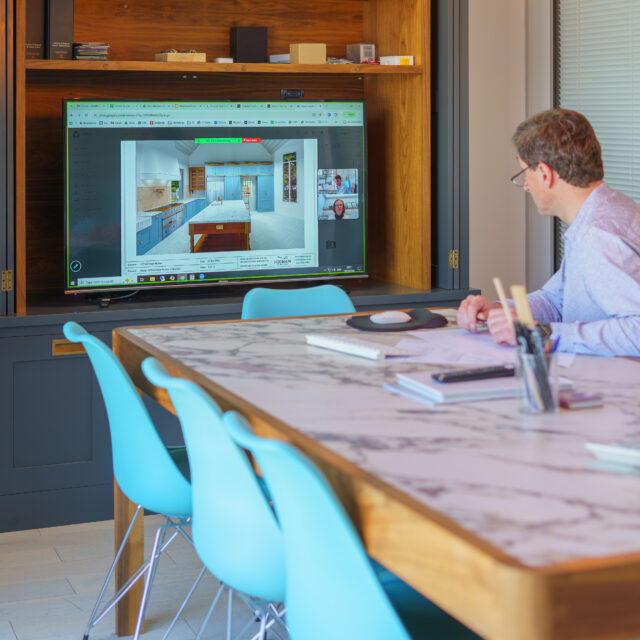
We offer a free 30-minute design call for exactly this reason. It is not a sales pitch. It is a conversation: you describe your space and your thinking, we give you an honest view of what it might cost and whether we are the right maker for your project. You can book it by phone, by video, or in person at our Fulham studio.
No obligation. No showroom theatre. Just clarity before commitment.
Frequently Asked Questions
How much does a handmade kitchen cost in London?
Handmade kitchens in London typically start from around £50,000 in 2026, with most projects landing between £50,000 and £120,000 depending on size, materials, and complexity. That figure covers cabinetry, design, finishes, hardware, and installation, but not worktops, appliances, or building work.
Why are Higham’s kitchens more expensive than some competitors?
Higham kitchens are designed and built to a higher specification than most high-street showroom brands, using solid timber, hand-applied finishes, and dovetailed joinery. You are also paying for the direct relationship with the cabinetmaker in our Denmead, Hampshire workshop, rather than a showroom sales layer. In many cases we compare favourably on price-for-specification because we carry no high-street overhead.
What’s included in a Higham kitchen quote?
Our quotes cover cabinetry, design, hardware, hand-painted or stained finishes, and professional installation by our team. Worktops, appliances, sinks, taps, lighting, flooring, and trade works such as plumbing and electrics are quoted separately so you can see exactly what you are paying us for.
Do I need a detailed brief before booking a design call?
No. The 30-minute design call is designed for people at any stage of thinking. You can book it whether you have a full set of architect’s drawings or nothing more than a rough idea of the room. The call is about clarity, not commitment.
Does Higham have a showroom?
Higham does not operate a traditional high-street showroom. We run a design studio in Fulham, London where clients can meet with our designers, and a workshop in Denmead, Hampshire where every kitchen is built. Clients are welcome to visit both. The no-showroom model is how we keep craft at the centre of the price rather than retail overhead.
How long does a handmade kitchen take to build and install?
Lead times vary by project, but a typical Higham kitchen takes several months from first design call to installation, with the build itself usually taking a number of weeks in the workshop. We discuss realistic timelines during the design call so you can plan around your broader renovation.