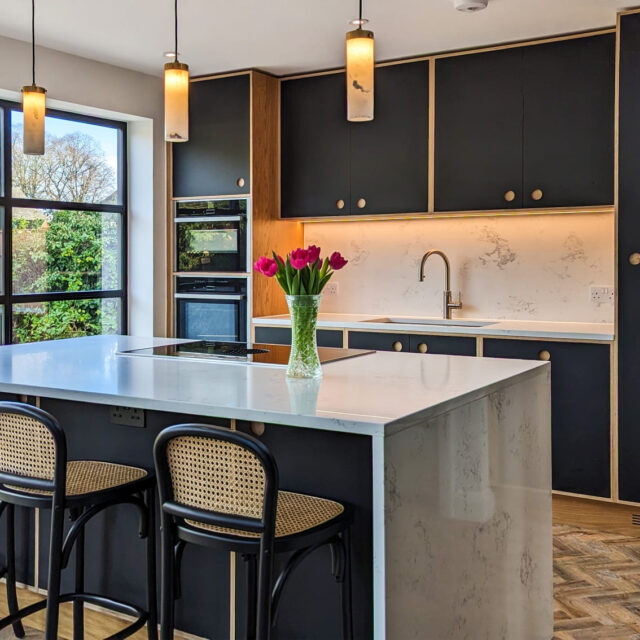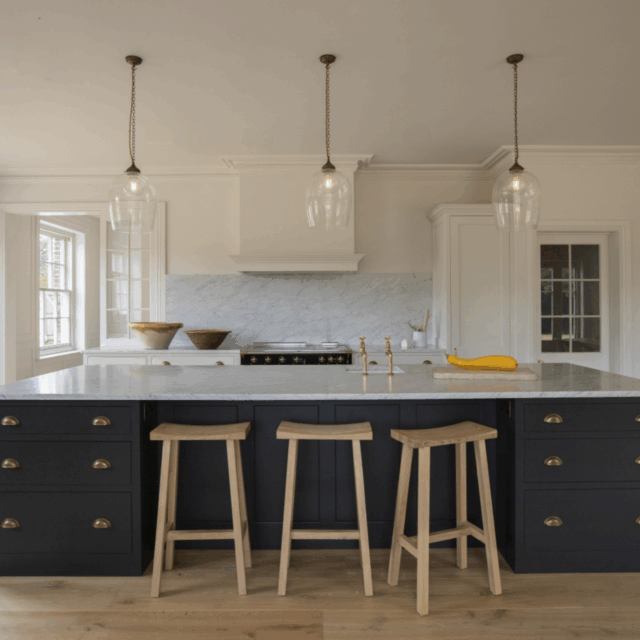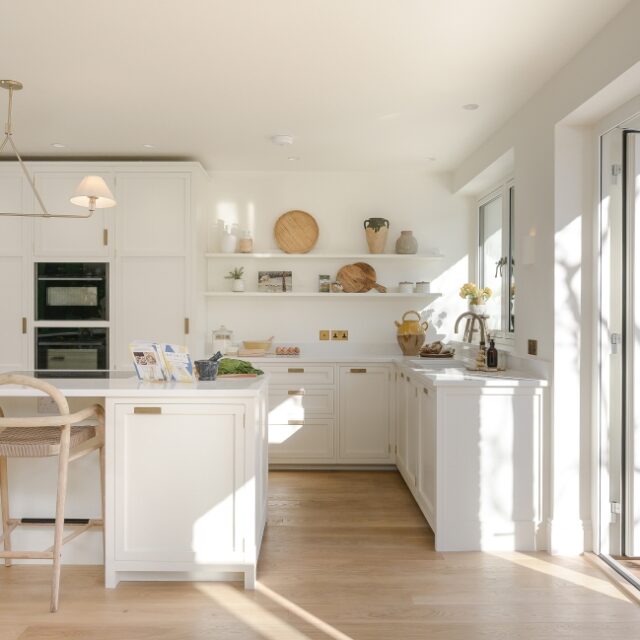
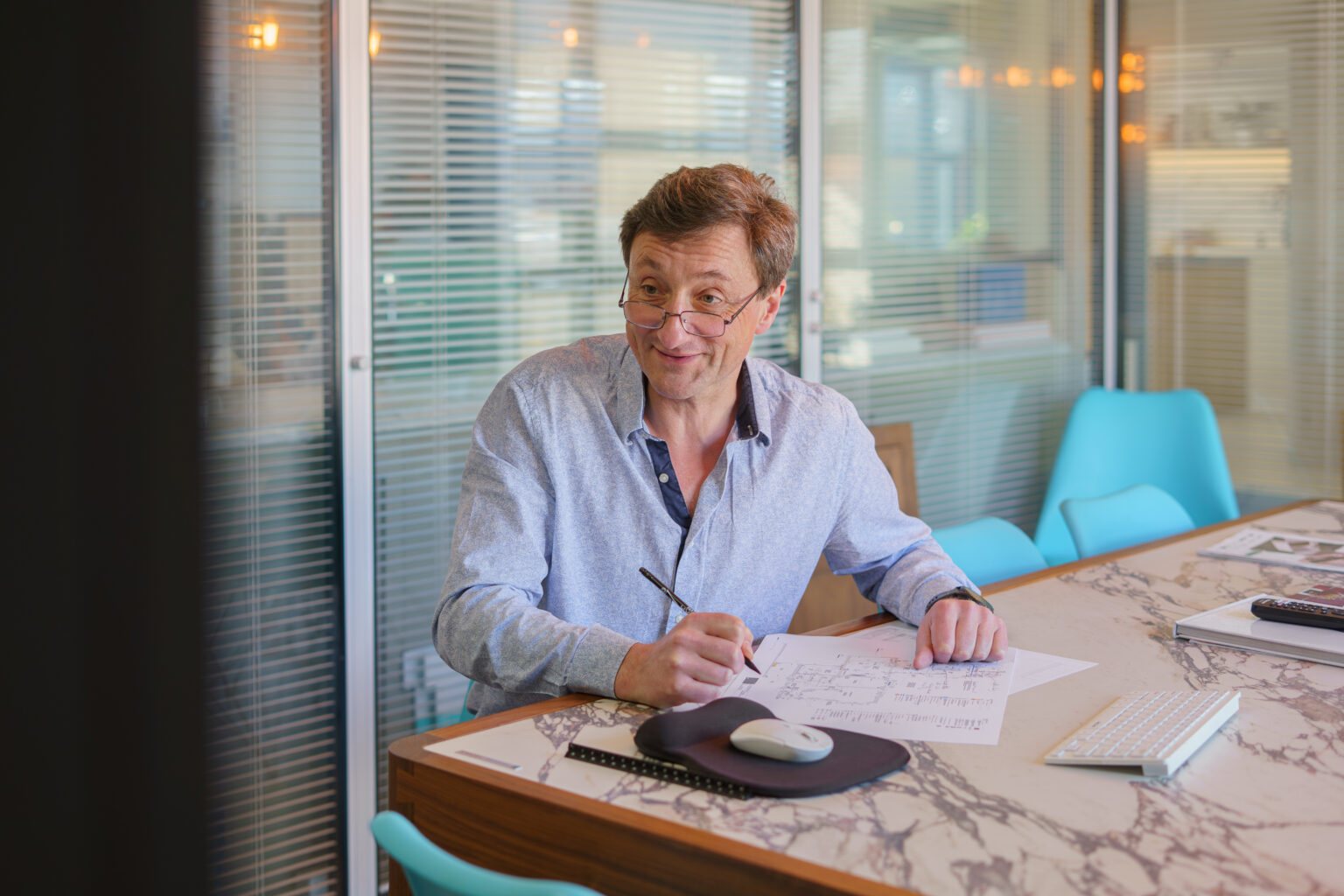
A 30-minute design call with Higham Furniture is a structured but unscripted conversation, conducted by phone, by video, or in person at our Fulham design studio, led by founder Tim Higham or one of our senior designers. It covers the property, the project, the questions on your mind, and a realistic view of what a handmade kitchen at this level actually involves. There is no quote at the end, no sales script, no follow-up pressure sequence, and no obligation to take anything further. Most clients leave the call with a clearer picture of the decisions ahead of them than they had when they dialled in.
This article takes you behind the scenes of that call. It explains who you will speak to, what we will ask, what you can ask us, how the time is actually spent, and, perhaps more importantly, what we deliberately do not do. It is written for the person thinking “I don’t want a sales call,” which, in our experience, is one of the most common reasons prospective clients delay making contact in the first place.
Why We Built the Design Call This Way
Most kitchen companies that offer a free consultation are really offering a free sales meeting. The structure is familiar: you arrive at a showroom, a salesperson walks you around, asks a handful of qualifying questions, and the conversation quietly tips towards a quote, a site visit, and a decision timeline.
We built the Higham Furniture design call to be the opposite of that. The principle is “Clarity Before Commitment.” The call exists to give you a better understanding of your project, whether or not you ever work with us. It is a deliberate commercial choice. We would rather spend 30 minutes helping someone clarify what they want, even if they ultimately commission somebody else, than pressure someone into a meeting and lose them entirely.
A handmade kitchen is a significant, considered purchase. Our view is simple: the buyer who has had a good early conversation is a better buyer, full stop. They know what they want, they know what they don’t, and when they eventually commission a kitchen, with us or with another maker, they make confident decisions rather than anxious ones.
Who You Will Actually Speak To
You will speak to Tim Higham or one of our senior designers. Not a call-centre, not a lead qualifier, not an SDR reading from a CRM. The person on the other end of the line is someone who has spent years designing handmade kitchens and who works closely with the cabinetmakers at our Denmead, Hampshire workshop.
This matters more than it might sound. The quality of an early-stage conversation depends almost entirely on who is on the other side of it. A salesperson can tell you what a kitchen costs. A designer-maker can tell you why it costs that, what the alternatives look like, where the savings do and do not make sense, and how a particular layout will behave in a Victorian side-return or a barn conversion that has not been plastered yet. That is a different kind of conversation, and it is the only kind we run.
How the 30 Minutes Actually Unfold
Every call is different, because every project is different. But the shape of the conversation is consistent, and we work to a rough structure so that the time is well spent.
The First Five Minutes: Context
We start by asking about the property. Period, area, rough size of the kitchen space. Whether you are renovating, extending, or moving in. Whether an architect is involved, or likely to be. What is prompting the project now, sometimes it is a failing kitchen, sometimes an extension, sometimes a long-planned renovation finally reaching the top of the list.
This is not a qualification interview. It is orientation. Without a sense of the project, any advice we give about materials, layout, or budget would be generic. We are not interested in generic advice. We are interested in whether what you are trying to do is something we can genuinely help with.
The Middle Fifteen Minutes: Your Questions
The largest single block of the call is yours. Clients come in with questions, sometimes a tidy list, often a half-formed set of worries, and we work through them in the order they matter to you.
Typical ground we cover includes the difference between in-frame and overlay cabinetry, the practical implications of framed versus frameless shaker, painted versus natural timber, realistic lead times from design to installation, what a sensible budget looks like for the scale of project you are considering, how worktops sit within the total kitchen cost, how appliances and lighting are handled, what the installation actually involves on site, and how a cabinetmaker like Higham differs from a showroom brand.
You can also ask anything about us. How long we have been trading. What the Designerati Award actually recognised. Why we do not run a traditional showroom. How the workshop in Denmead is set up. What it means to buy direct from the maker rather than through a retail layer. Nothing is off-limits in this part of the call.
The Final Ten Minutes: A Map of What’s Ahead
The last section is where we pull the conversation together. We summarise what we have understood about your project, point out the two or three decisions that are likely to matter most, and give you a realistic sense of what the next stage would look like if you wanted to take things further.
If the project is clearly a fit, in scale, in style, and in timing, we talk about what the first design stage would involve, including site visits, measured drawings, and initial design fees. If the project is not yet ready to move forward, we say so, and we suggest what to come back to us with when it is. If it is clear that Higham is not the right fit at all, we say that too, and recommend a more suitable route. That happens more often than readers might expect, and it is a deliberate part of how we run this call.
What We Do Not Do on a Design Call
A 30-minute Higham Furniture design call is defined as much by what we do not do as by what we do. None of the following features appear on the call:
There is no quote. We will not put a price in front of you in the first 30 minutes of conversation, because no honest cabinetmaker can quote a kitchen properly without seeing the space, understanding the layout, and specifying the materials. We will talk in realistic ranges and orient you to what projects at this level typically cost, but we will not manufacture a number to close the conversation.
There is no sales script. Our designers do not work through a qualification framework or a discovery sequence designed to move you through a funnel. The call is a conversation, led by the things you actually want to talk about.
There is no follow-up pressure. If the call ends and you want to think, you think. We do not run an automated email sequence, we do not chase with “just circling back” voicemails, and we do not ask you to book a second meeting before you have even hung up. If you want to come back to us in three months, six months, or a year, we will be there.
There are no manipulative tactics. No artificial urgency, no “we’re only taking three projects this quarter,” no scarcity language around lead times or pricing. Those are tools used by businesses that have to manufacture urgency because their offer cannot stand on its own. A handmade kitchen at this level is bought because the client decides it is right for them, not because they were pushed into it.
What You Do Not Need to Bring
Many prospective clients assume that a design call will require preparation they have not yet done. They think they need finished layouts, measured drawings, a pinned-down budget, a shortlist of appliances, paint swatches, and a clear view on worktops before anyone will take them seriously.
You need none of that for a first call. A rough sense of the property, the scale of the project, and the questions that have been holding you back is enough. If you have inspiration images, moodboards, or architect’s plans, they are useful but not required. If you have a budget bracket, great; if you only have a vague sense of what you might be prepared to spend, we can work with that too. Part of the call is often about helping you figure out whether the project you have in mind is in the right financial neighbourhood for what a handmade kitchen at this level involves.
Why This Is a Better First Step Than a Showroom Visit
A showroom visit has its place, but it is a strange first move for a handmade kitchen project. You walk into a space designed to sell, look at display kitchens that are not your kitchen, and try to imagine how any of it applies to your home. Most of the conversation ends up being about what is on the floor in front of you, rather than about your actual project.
A 30-minute design call inverts that. It starts with your project, your property, your plans, your questions, and uses our experience as the reference point, rather than a showroom display. It is also, practically, more convenient. No travelling into central London. No parking. No half-day blocked out. 30 minutes, at your desk or on your sofa, with a designer-maker on the other end of the line.
The Fulham design studio is open to clients who want to meet in person, and many London-based clients eventually do. But as a first step, the call works harder. It is faster, more focused, and more honest about what a handmade kitchen project actually is.
Who the Design Call Is For
The call is designed to be useful at any stage of a project, from the earliest moment when a new kitchen is first on your mind through to the late stage when you are choosing between makers. It is particularly useful for homeowners in Fulham, Chelsea, Kensington, Wandsworth, Putney, Wimbledon, Chiswick, or Muswell Hill who are renovating a period property and want to understand how a bespoke kitchen would sit within it. It is equally useful for clients in Kingston, Rickmansworth, Surrey, Hampshire, and the Home Counties who are earlier in a wider renovation or new-build project.
If you are about to appoint an architect, the call is useful now, because a cabinetmaker’s input at concept stage saves expensive rework later. If you are already deep into architectural drawings, the call is useful now — because the kitchen often needs to shape the drawings rather than the other way round. If you are still deciding whether to renovate at all, the call is useful now, because understanding the scope and cost of a kitchen at this level is one of the inputs you need.
Clarity Before Commitment
If you have been putting off making contact because you do not want to be sold to, the 30-minute design call at Higham Furniture is designed specifically for you. It is free, it is honest, and it is built around helping you think clearly about a decision you are not yet ready to make.
The call can be by phone, by video, or in person at our Fulham studio. You will speak to a designer-maker, not a salesperson. Ask anything. Bring nothing. Leave with a clearer view of what is ahead.
That is the whole point. Clarity before commitment, every time.
Frequently Asked Questions
Is the Higham Furniture design call really free?
Yes. The 30-minute design call is completely free, with no obligation to take the project further. There is no charge at the call, no hidden fee for follow-up conversation, and no requirement to commit to a design stage afterwards. It is a genuine first conversation, deliberately built so that useful early advice is not gated behind a paywall.
Will I get a quote at the end of the design call?
No. A handmade Higham kitchen cannot be properly quoted without a site visit, measured drawings, and a detailed specification. On the call, we will talk in realistic ranges and help you understand what a project at your scale typically involves, but we will not put a specific number on your kitchen until we have the detail to stand behind it.
Do I need plans, drawings, or a budget before the call?
No. Plans, moodboards, or rough budget brackets are helpful if you already have them, but they are not required. Many of our clients book a design call precisely because they do not yet know what their layout, style, or budget should be, and the conversation is where those things start to take shape.
Who leads the design call at Higham Furniture?
The call is led by Tim Higham or one of our senior designers. You will speak to someone who is directly involved in designing and overseeing the making of the kitchens at our Denmead, Hampshire workshop, not a call-centre or lead-qualification team. This is deliberate, the quality of an early conversation depends on who is on the other end of it.
Can the design call happen over video or does it need to be in person?
It can be by phone, by video, or in person at our Fulham design studio. Many clients start with a phone or video call for convenience and visit the Fulham studio or the Denmead workshop later once the project has more shape. All three formats are structured the same way and cover the same ground.
What happens if I am not ready to move forward after the call?
Nothing that you do not want to happen. There is no follow-up sales sequence, no automated chase, and no pressure to book a second meeting. If you want to come back to the conversation in three months, six months, or a year, we will be there. Clients regularly take twelve to eighteen months between a first call and starting a kitchen, and those conversations are often the most productive.