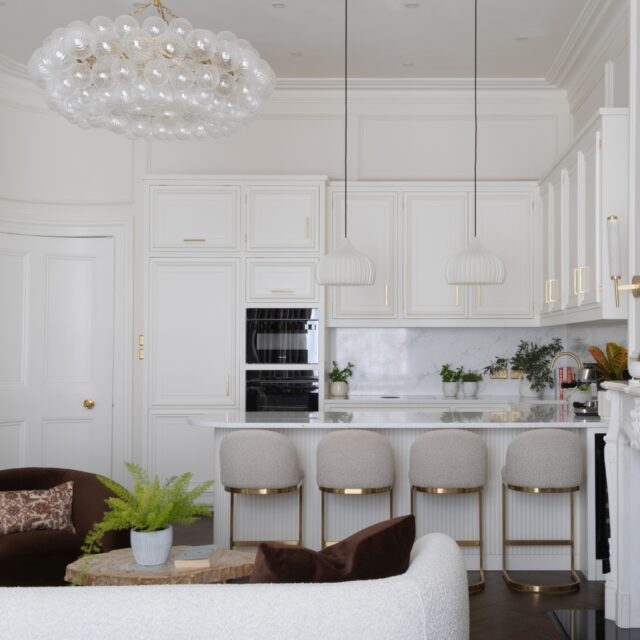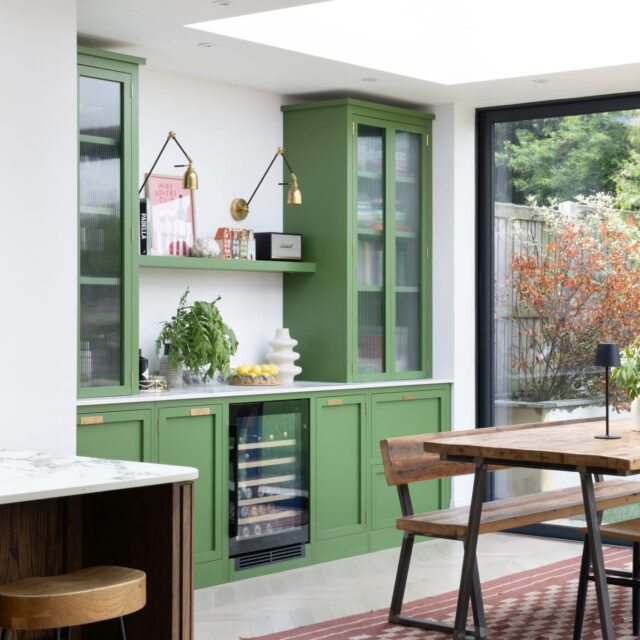

Bespoke kitchens cost more than showroom kitchens. This is not a mystery, but the reasons behind the difference are more nuanced than they might appear, and understanding them helps to evaluate whether the investment is right for a specific project.
At Higham Furniture, we are direct about cost from the first conversation. This article explains where the cost goes and why the comparison between a bespoke kitchen and a showroom kitchen is not as straightforward as it might seem.
The Cost of Making Rather Than Selecting
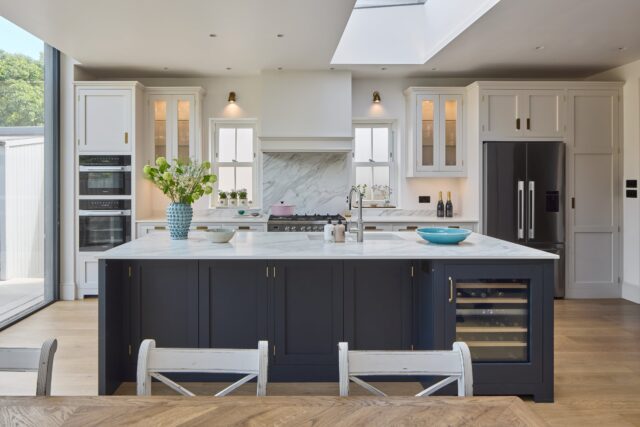
The fundamental reason bespoke kitchens cost more is that they are made rather than selected. A showroom kitchen is assembled from components that were manufactured at volume and are available off the shelf. A bespoke kitchen is designed from scratch for a specific room and made specifically for that client.
Volume manufacturing reduces unit cost dramatically. A factory making the same base cabinet a thousand times can produce each unit at a fraction of the cost of a workshop making a cabinet to individual specifications. The economies of scale that reduce factory production costs do not apply to bespoke cabinetmaking.
This is not a problem to be solved. It is an honest description of two different products at two different price points, for two different kinds of project.
Material Quality
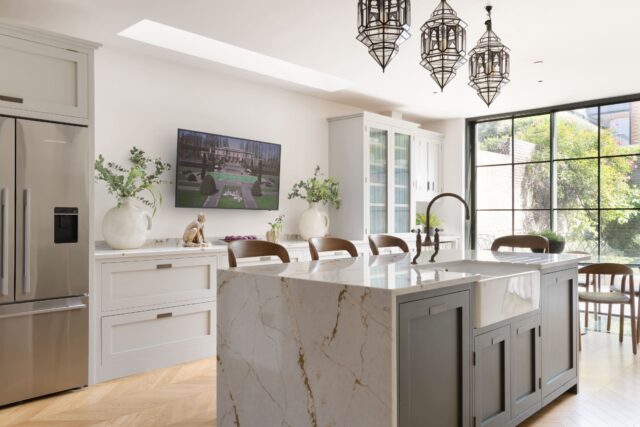
Bespoke kitchens at the premium end of the market use materials that factory-produced kitchens generally do not. Oak-veneered plywood for cabinet carcases, solid timber for face frames and door components, and hand-painted finishes applied in multiple coats all cost more than MDF carcases and sprayed lacquer.
These material choices are not luxury upgrades for their own sake. They reflect a commitment to how a kitchen performs over 20 to 30 years rather than over 10. For more on how material choices affect longevity, see our article on what makes a kitchen last 30 years.
The Showroom Overhead
Premium kitchen showrooms carry significant overhead costs: retail space in expensive London locations, display kitchens that are updated regularly, showroom staff, and the marketing required to drive showroom footfall. These costs are reflected in the price of everything the showroom sells.
Higham Furniture operates without a showroom. There is no retail space, no display kitchens, and no showroom staffing cost. This removes a meaningful layer of overhead from the pricing. A Higham kitchen is comparable in construction quality to products sold by premium showroom brands at higher prices. The difference in overhead structure is passed to clients in the form of more kitchen for the same investment.
Design and Project Management
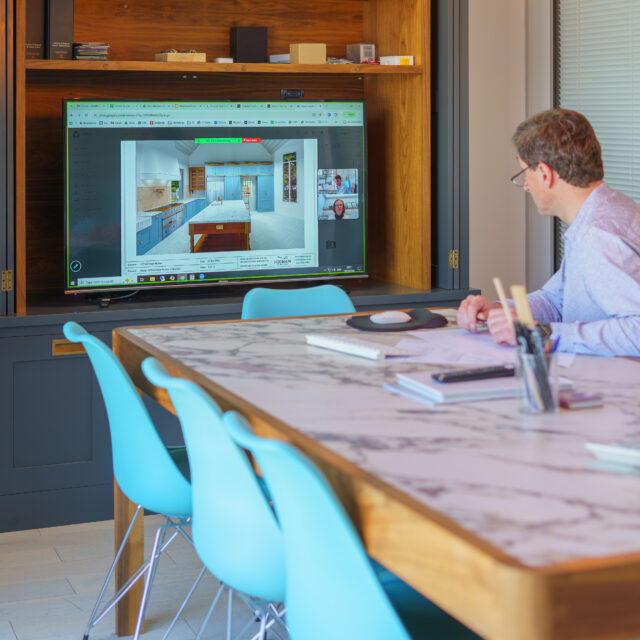
A bespoke kitchen includes a design service that a showroom kitchen often does not. The design process at Higham, from measured survey through 2D and 3D design development to final sign-off, is part of the project cost. The same team that designs the kitchen is connected to the workshop that builds it.
In a showroom model, the design is often produced by a salesperson using kitchen planning software to select from the available range. The design cost is either hidden in the product price or absorbed as a cost of sale. The two processes produce very different outcomes.
Is a Bespoke Kitchen Worth the Investment?
For the right project, at the right budget, a bespoke kitchen from a genuine cabinetmaker represents better long-term value than a showroom kitchen at a comparable headline price. It fits the room exactly, it is built from materials that last, and it is designed for a specific client rather than for a general market.
The question is not whether bespoke costs more. It does. The question is whether the difference in product, process, and longevity justifies the investment for your specific project.
Book a design call to discuss your project.
Frequently Asked Questions
Why do bespoke kitchens cost more than showroom kitchens?
Because they are made rather than selected. Volume manufacturing significantly reduces unit cost. Bespoke cabinetry designed and made for a specific room cannot benefit from the same economies of scale. Additionally, bespoke kitchens typically use higher-quality materials and finishes than factory-produced showroom kitchens.
Are showroom kitchen brands overpriced?
Premium showroom kitchens reflect genuine quality in many cases, but they also reflect the overhead cost of the showroom itself. Retail space, display kitchens, and showroom staffing are significant costs embedded in what the showroom charges. A kitchen from a maker without showroom overhead can offer comparable quality at a better price.
Is a bespoke kitchen a good investment in a London property?
A well-made bespoke kitchen adds to the value and appeal of a London property in a way that a standard installation does not. Quality is visible to buyers, and a kitchen that is clearly made to last and designed for the specific room adds confidence and value to a property.
What does the extra cost of a bespoke kitchen actually buy?
Cabinetry designed and made to the exact dimensions of the room. Higher quality materials, plywood carcases rather than MDF, hand-painted rather than sprayed finishes. Direct access to the makers throughout the project. A kitchen designed by the same people who build it. And a product intended to last 25 to 30 years rather than 10 to 15.
How do I know if a bespoke kitchen is worth it for my project?
The key variables are budget, the scale of the project, and how long you intend to be in the property. For a significant investment in a home you intend to be in for 15 or more years, a bespoke kitchen that lasts 30 years is a better investment than a showroom kitchen that needs replacing in 12. For a smaller budget or a shorter timeframe, the calculation is different.
Written by the Higham Furniture design team. Higham Furniture is an award-winning cabinetmaker based in Denmead, Hampshire, with a design studio in Fulham, London. Tim Higham and his team have been designing and building bespoke handmade kitchens for discerning homeowners across London and the South East.